ECG Wearables: How ECG Smartwatches Work, Types, Benefits, and Uses
Published: 08 Aug 2026
If you worry about your heart health, you are not alone. I know how stressful it feels when you notice an unusual heartbeat and wonder if everything is okay. Visiting a hospital every time is not always possible. It takes time, and the problem may not even happen during your appointment.
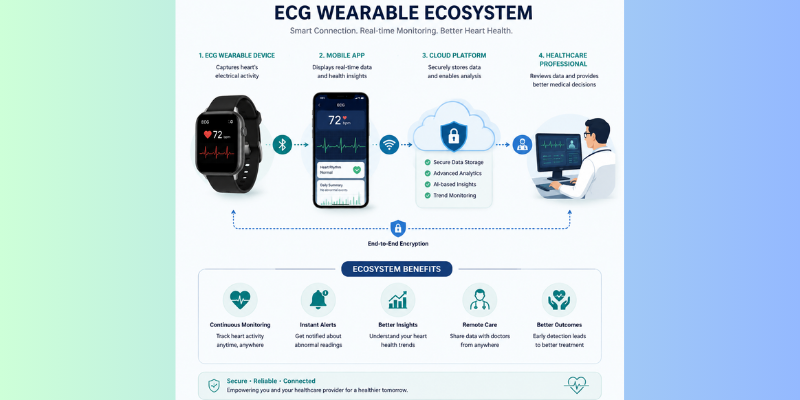
That is why I find ECG wearables so useful. They let you check your heart activity while you go about your normal day. This gives you a better picture of what is happening over time instead of just one moment. In this guide, you will learn what ECG wearables are, how they work, and how to choose the right one for your needs.
What Are ECG Wearables?
ECG stands for “electrocardiogram,“ which records the electrical activity of your heart. ECG wearables are electronic devices designed to collect this information while you wear them during your normal routine. An ECG wearable monitor records your heart signals and stores the data for later review. These devices are available in different forms, including smartwatches, chest straps, and wearable ECG patches.
Each type is designed for a different purpose and level of monitoring. Some devices are made for everyday personal use, while others are used under a doctor’s guidance. Most ECG wearables connect to a mobile app, making it easy to view your recorded heart data whenever you need it.
How Do ECG Wearables Work?
ECG wearables may look small, but they perform an important job. I like that they work quietly in the background while you go about your normal day. Once you understand the basic process, they are very easy to use.
- You wear the device on your wrist, chest, or another recommended area.
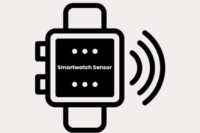
- An ECG wearable sensor touches your skin and detects your heart’s electrical signals.
- The device records these signals while you move, rest, or exercise.
- It changes the signals into easy-to-read heart data.
- The recorded information is sent to a mobile app through Bluetooth or another wireless connection.
- You can view your heart readings on your phone whenever you want.
- Some devices notify you if they detect an unusual heart rhythm.
- If needed, you can share your heart data with your doctor for further review.
This simple process allows ECG wearables to monitor your heart without interrupting your daily routine.
What Is an ECG Smartwatch?
An ECG smartwatch is a smartwatch with an ECG sensor that records the electrical activity of the heart. It allows you to take a short heart reading directly from your wrist.
What makes it different from a regular smartwatch is its ability to provide ECG readings, rather than only tracking basic heart rate and daily activity. You usually need to stay still and touch a specific part of the watch to take a reading.
The main purpose is to support ECG monitoring and heart rhythm monitoring in a simple and convenient way. It can help users keep a record of certain heart-related readings during everyday life. However, it should not be treated as a replacement for a medical ECG test or professional medical advice.
How Does ECG Work on a Smartwatch?
An ECG smartwatch combines heart monitoring with other parts of smartwatch technology, such as sensors, apps, and wireless connectivity. The process is simple, but you need to follow the watch’s instructions carefully.
- Place the watch correctly: Wear the watch firmly on your wrist for proper skin contact.
- Start the ECG: Open the ECG feature and follow the instructions on the screen.
- Touch the electrode: Place a finger from your other hand on the required electrode.
- Stay still: Keep your hand and arm still while the watch takes the reading.
- Record the signal: The ECG sensor detects and records your heart’s electrical activity.
- View the result: The watch processes the reading and shows the result on the screen.
- Save the reading: Compatible watches may save the result in their app for later review.
This process allows a compatible smartwatch ECG feature to support basic ECG monitoring and heart rhythm monitoring.
Key Features of ECG Smartwatches
An ECG smartwatch can offer more than a basic heart rate reading. The exact features depend on the model, but these are the main ones worth checking before you choose one.
- ECG Recording: Lets you take a short recording of your heart’s electrical activity from your wrist.
- Heart Rhythm Monitoring: Helps track certain heart rhythm patterns through supported ECG readings.
- Heart Rate Tracking: Measures your heart rate during rest, exercise, and daily activities.
- ECG History: Some models save previous readings so you can review them later.
- Health App Support: Compatible watches can transfer ECG results to a companion app for easier viewing.
- Irregular Rhythm Alerts: Some watches can notify you when they detect a possible irregular heart rhythm.
- On-Wrist Convenience: Lets you take an ECG reading without carrying a separate ECG device.
- Fitness Tracking: Combines ECG features with activity tracking, making the watch useful for everyday fitness and wellness
Types of ECG Wearables
ECG wearables come in different forms because people have different health needs. I think this is one of the best things about them because you can choose a device that fits your lifestyle and comfort. Let us look at the most common types of ECG wearables.
1. ECG Smartwatches
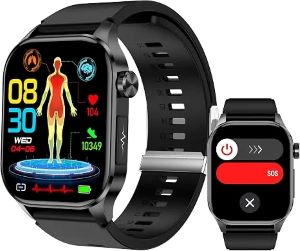
ECG smartwatches are the most popular type of ECG wearable. You wear them on your wrist just like a regular watch. They can record your heart’s electrical activity, track your heart rate, and offer other smart features.
2. Wearable ECG Patches
Wearable ECG patches are small, lightweight patches that stick directly to your chest. They monitor your heart continuously for several days or even weeks, depending on the device. Doctors often recommend them when longer heart monitoring is needed.
3. Chest Strap ECG Monitors
Chest strap ECG monitors wrap around your chest to record heart signals. They usually provide more detailed heart data than many consumer devices. Athletes and healthcare professionals often use them for accurate heart monitoring.
4. Medical-Grade ECG Wearables
Medical-grade ECG wearables are designed for hospitals, clinics, and remote patient care. They provide highly accurate heart recordings and are often used under a doctor’s supervision. These devices help monitor people with ongoing heart conditions.
5. Portable ECG Recorders
Portable ECG recorders are small handheld or wearable devices that record your heart activity whenever needed. Some require you to place your fingers on sensors, while others can be worn on your body. They are useful for people who want quick heart checks outside a hospital.
Tariq, a wearable technology researcher and SEO content writer. Passionate about simplifying wearable technology and health devices through well-researched, easy-to-understand guides.
What Can an ECG Smartwatch Measure?
An ECG smartwatch can record the heart’s electrical activity and provide information about heart rhythm. It may help identify signs of an irregular rhythm, such as atrial fibrillation (AFib), depending on the watch and its approved features. Some models also show your heart rate alongside the ECG reading.
It is important to remember that an ECG smartwatch is mainly a tracking tool, not a replacement for a medical ECG test. In my view, its biggest benefit is giving you quick access to ECG monitoring and heart rhythm monitoring during everyday life.
Benefits of ECG Smartwatches
ECG smartwatches offer several useful benefits for everyday heart monitoring. Let’s look at the main advantages they can provide.
- Quick ECG Readings: Take a short ECG reading directly from your wrist.
- Easy Heart Rhythm Monitoring: Check your heart rhythm without using a separate device.
- Early Awareness: Helps you notice possible changes in your heart rhythm.
- Irregular Rhythm Alerts: Some watches can alert you when they detect a possible irregular rhythm.
- Easy Access to Records: Compatible watches may save previous ECG readings for later review.
- Portable Monitoring: You can carry ECG features with you throughout the day.
- Simple Health Tracking: Combines ECG monitoring with other health and fitness features.
- Useful for Doctor Visits: Saved readings may help you discuss heart-related changes with your doctor.
Limitations of ECG Smartwatches
ECG smartwatches are useful, but they also have some limits. Knowing these limits can help you use their readings in the right way.
Here are the main limitations to keep in mind:
- Not a Full Medical ECG: A smartwatch ECG cannot replace a clinical ECG test performed by a healthcare professional.
- Limited Readings: Most watches provide a short ECG recording rather than continuous ECG monitoring.
- Possible Inaccurate Readings: Movement, loose fit, or poor skin contact can affect the result.
- Limited Health Conditions: An ECG smartwatch cannot detect every heart problem or medical condition.
- Model Differences: ECG features and accuracy can vary between smartwatch models.
- Doctor’s Advice Still Matters: Any unusual or concerning result should be discussed with a healthcare professional.
- Battery Dependence: ECG features may not work when the smartwatch battery is empty.
ECG Smartwatch vs. Other ECG Wearables
Both options can support ECG monitoring, but they differ in design, comfort, and everyday use.
| ECG Smartwatch | ||||||
|---|---|---|---|---|---|---|
|
| Other ECG Wearables | ||||||
|---|---|---|---|---|---|---|
|
How to Choose an ECG Smartwatch
When choosing an ECG smartwatch, start with the features you actually need. Check whether it supports ECG monitoring, heart rhythm monitoring, heart rate tracking, and the health features that matter to you. Also look at battery life, comfort, display, and how easily it connects with your phone.
I would also recommend checking the ECG feature available in your country and whether the watch supports your phone. Do not choose a model only because it has more health features. A comfortable watch with reliable ECG functions that you will use regularly is often the better choice.
Are ECG Smartwatches Accurate?
ECG smartwatches can provide useful heart rhythm readings, but their accuracy depends on the watch, how you wear it, and the quality of the reading. Movement, poor skin contact, or an incorrect fit can affect the result. Most watches are designed to record a short ECG rather than provide continuous monitoring.
In my view, these watches are best used for personal tracking and noticing possible changes over time. They should not replace a medical ECG or a doctor’s evaluation. If your watch shows an unusual reading or you have worrying symptoms, it is better to speak with a healthcare professional.
Final Thought
In this guide, we have covered ECG wearables, especially ECG smartwatches, including their features, benefits, limitations, and accuracy. My recommendation is to choose an ECG smartwatch based on the features you really need and use its readings as a helpful tracking tool, not as a replacement for professional medical advice. Thank you for reading, and I hope this guide made the topic easier to understand. It was a pleasure sharing this information with you, and I wish you the best.
Don’t skip the next part of the FAQs. I hope you will find something more interesting there, so don’t miss it. You may discover something new that makes your understanding of ECG wearables even better.
FAQs: ECG Wearables
Here are some of the most commonly asked questions related to ECG wearable technology.
An ECG smartwatch is used to record the electrical activity of the heart from the wrist. It can help check certain heart rhythm patterns, such as possible atrial fibrillation. It is mainly useful for personal heart monitoring.
An ECG smartwatch uses electrodes built into the watch and your finger contact to record heart signals. You usually need to touch the watch with a finger and stay still for a short time. The watch then displays the ECG result.
Some ECG smartwatches can detect signs of atrial fibrillation (AFib). The feature depends on the smartwatch model and its approved health functions. A doctor should confirm any suspected heart rhythm problem.
Yes, you can use an ECG smartwatch for regular personal heart tracking when the feature is available and used as directed. You can take readings when you want to check your heart rhythm. However, it should not replace professional heart testing.
The best ECG smartwatch depends on your phone, available health features, comfort, battery life, and budget. Check whether its ECG feature is supported in your country before buying. Choose a model that offers the features you will actually use.
ECG wearables can be useful for people with heart conditions, older adults, athletes, and anyone who wants to monitor their heart health. They also help people who need regular heart tracking between doctor visits. The right device depends on your personal health needs.
No, ECG wearables cannot completely replace hospital ECG machines. They are designed for everyday monitoring and early awareness of heart activity. Hospitals use advanced ECG equipment for detailed medical diagnosis and treatment.


- Be Respectful
- Stay Relevant
- Stay Positive
- True Feedback
- Encourage Discussion
- Avoid Spamming
- No Fake News
- Don't Copy-Paste
- No Personal Attacks
- Be Respectful
- Stay Relevant
- Stay Positive
- True Feedback
- Encourage Discussion
- Avoid Spamming
- No Fake News
- Don't Copy-Paste
- No Personal Attacks
