Smartwatch Technology: A Complete Guide to How Smartwatches Work
Published: 08 Aug 2026
Imagine going for a morning walk with only your smartwatch on your wrist. It counts your steps, records your route, checks your heart rate, and later shows your workout results. These features all depend on smartwatch technology working behind the scenes.
But what actually happens inside that small device? How do sensors collect information? How does the watch process that data and turn it into useful results? And how does it connect with your smartphone?
Smartwatch technology brings sensors, software, processors, GPS, and wireless connections together in one compact device. Once you understand how these parts work, it becomes much easier to understand what your smartwatch can do and how to use its features more effectively.
In this blog post, I’ll explain what smartwatch technology is, why it matters, and how it works.
Let’s dive in.
Key Takeaways
- Smartwatch technology combines sensors, software, processors, and wireless connections in one small device.
- Smartwatch sensors collect data such as movement, heart rate, location, and sleep patterns.
- The processor and software turn sensor data into useful information that you can see on the watch or phone.
- Features such as GPS, health tracking, fitness tracking, notifications, and apps depend on different technologies working together.
- Understanding how smartwatch technology works helps you use your device better and understand what its features can and cannot do.
What Is Smartwatch Technology?
Smartwatch technology is the combination of hardware, software, and wireless features that helps a smartwatch do more than show the time. A smartwatch uses sensors to collect information about movement, heart rate, location, and other activities.
A processor handles this data, while the operating system helps run the watch and its features. Technologies such as GPS, Bluetooth, and Wi-Fi allow the device to track locations and connect with other devices.
This is why a smartwatch can show notifications, track workouts, and provide useful health metrics on your wrist. If you want simple smartwatch information, learning how these parts work together is a good starting point.
In simple terms, smartwatch technology turns a traditional timepiece into a connected digital device.
How Does Smartwatch Technology Work?
Ever wondered how your watch can count your steps, check your heart rate, and show messages from your phone? Smartwatch technology brings several small systems together to make these features work. Here is a simple look at how smartwatches work.
- Sensors collect information: Different sensors detect movement, heart rate, sleep, and other activities. For example, an accelerometer can detect when you walk or move your wrist.
- The watch processes the data: A processor receives the information from the sensors and works out what it means. For example, it can turn movement data into a step count.
- Software manages the features: The operating system controls the watch and helps its features work together. It also helps you use apps and change settings.
- The watch connects to other devices: Bluetooth and Wi-Fi can connect your watch to your phone or the internet. This allows you to receive messages, notifications, and other information.
- GPS tracks your location: GPS uses signals from satellites to find your location. This helps track routes during activities such as walking, running, and cycling.
- The display shows the results: After processing the data, the watch shows useful information on its display. You might see your steps, heart rate, workout time, or notifications.
- The Battery powers everything: The Battery provides power to the watch. Features such as GPS, bright screens, and continuous health tracking can use more power.
| Working Process of smartwatch tehnology |
|---|
|
In simple terms, sensors collect data, the processor handles it, software understands it, and the display shows the result. That’s the basic process behind smartwatch technology. |
Key Components of a Smartwatch
A smartwatch may look small, but several parts work together inside it. Each component has a specific job, from showing information to collecting data and keeping the device running.
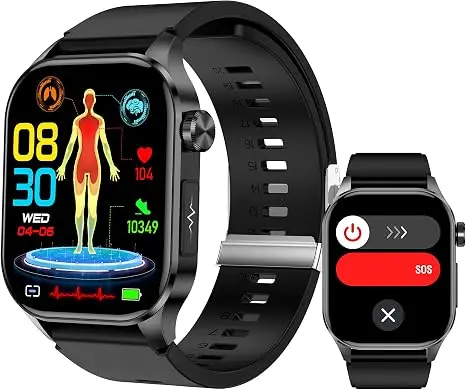
The following key features explain how they work.
- Display: Shows the time, health data, notifications, apps, and other information on your wrist.
- Processor: Handles tasks and processes the information collected by the watch.
- Sensors: Collect data about movement, heart rate, sleep, and other activities.
- Accelerometer: Detects movement and helps the watch count steps and track activity.
- Gyroscope: Detects wrist rotation and changes in the watch’s position.
- Heart Rate Monitor: Uses light-based sensors to measure your heart rate during rest or activity.
- ECG: Records electrical signals from the heart on supported smartwatches.
- SpO₂ Sensor: Uses light to estimate blood oxygen levels.
- GPS: Tracks your location and records routes during activities such as walking or running.
- Battery: Supplies power to the watch and its features throughout the day.
- Bluetooth: Connects the smartwatch to your phone and other nearby devices.
- Wi-Fi: Lets compatible smartwatches connect to the internet without relying fully on a phone.
- Operating System: Controls the watch’s main functions, apps, settings, and user interface.
- Touchscreen: Lets you control features by tapping, swiping, and pressing items on the screen.
Smartwatch Sensors and What They Measure
Your smartwatch uses different sensors to understand what is happening around and within your body. Each sensor has a specific job, and together they support features such as health monitoring, fitness tracking, and activity tracking.
- Accelerometer: Detects changes in movement and helps your watch count steps, track activity, and recognize basic movements.
- Gyroscope: Measures wrist rotation and helps the watch understand changes in direction and position during movement.
- Heart Rate Monitor: Uses light to track changes in blood flow and estimate your heart rate during rest, exercise, and daily activities.
- ECG: Records electrical signals from your heart and can provide an ecg reading on supported smartwatch models.
- SpO₂ Sensor: Uses light to estimate blood oxygen levels and provides another type of health metric for supported devices.
- GPS: Uses satellite signals to find your location and record routes when you walk, run, cycle, or take part in other outdoor activities.
- Temperature Sensor: Detects changes in temperature and can support certain health and Sleep Tracking features on compatible watches.
- Ambient Light Sensor: Detects the light around you and can help adjust the display brightness for easier viewing.
- Barometer: Measures changes in air pressure and can help estimate changes in elevation, such as when you climb stairs or walk uphill.
- Magnetometer: Detects magnetic fields and can help your watch determine direction when using location and navigation features.
These sensors create sensor data that the watch can process and turn into useful information. For example, when you go for a walk, your watch may combine movement, location, and heart-rate data to give you a clearer picture of your activity.
Smartwatch Health and Fitness Technology
Your smartwatch can help you keep an eye on your daily health and activity. Health monitoring features can track things such as heart rate, sleep, movement, and blood oxygen levels. At the same time, fitness tracking can record steps, workouts, distance, and other health metrics. This gives you a simple view of how active you are throughout the day.
The useful part is how these features work together. Sensor data from the watch can help you notice changes in your activity or daily routine. For example, you can check your heart rate during a workout or review your sleep tracking data the next morning. These features can support healthy habits, but smartwatch readings can vary and should not replace professional medical advice.
Smartwatch Connectivity and Communication
Your smartwatch needs ways to connect with your phone, the internet, or other devices. These connections let you receive updates, share data, make calls, and use online features from your wrist.
- Bluetooth: Connects your smartwatch to your phone and nearby devices for calls, music, notifications, and data sharing.
- Wi-Fi: Gives compatible smartwatches internet access when a suitable Wi-Fi network is available.
- Smartphone Connectivity: Links the watch with your phone so you can manage notifications, apps, settings, and other shared features.
- Wireless Communication: Lets the watch exchange information with connected devices without using a physical cable.
- Mobile Apps: Work with your smartwatch to display activity data, manage settings, review health metrics, and control supported features.
- Notifications: Bring messages, calls, reminders, and app updates to your wrist so you can check important information quickly.
- Voice Assistant: Lets you use voice commands for tasks such as setting reminders, checking information, or controlling supported features.
- Cellular Connectivity: Allows supported smartwatches to make calls, send messages, or access online services without staying connected to a phone.
Smartwatch Software and Operating Systems
The hardware gives a smartwatch its physical features, but software helps those features work together. The operating system controls the watch, manages its settings, runs apps, and helps turn data from sensors into useful information. It also controls features such as notifications, health tracking, and the touchscreen.
From a user’s point of view, good software makes a smartwatch easier to use. You can check your health metrics, open mobile apps, change settings, or interact with a voice assistant from your wrist. Software updates can also add new features, improve performance, and fix problems over time.
GPS and Location Technology in Smartwatches
Ever wondered how your smartwatch knows where you walked or ran? GPS and other location features help your watch find your position and record your route. This can be especially useful when you want to track an outdoor activity without checking your phone.
- GPS: Uses signals from satellites to estimate your location and record routes during walking, running, cycling, and other outdoor activities.
- Location Tracking: Uses location data to show where you are and help your watch record the distance and path of an activity.
- Route Tracking: Saves the path of your workout so you can review where you walked, ran, or cycled later.
- Distance Measurement: Uses location and movement data to estimate how far you have traveled during an outdoor activity.
- Pace Tracking: Uses location changes over time to estimate how quickly you are moving during activities such as running.
- Navigation: Helps compatible watches guide you along a route or show your current position without needing to check your phone constantly.
- Phone-Free Tracking: A smartwatch with built-in GPS can record an outdoor route even when your phone is not with you.
Smartwatch Battery and Power Technology
A smartwatch can offer many useful features, but all of them need power to work. Battery technology helps your watch run throughout the day, while smart power management can help you get more use between charges.
- Battery Capacity: Shows how much power the battery can store and affects how long the watch can run between charges.
- Battery Charging: Restores power when the battery gets low, with many watches using a charging dock or magnetic cable.
- Power Management: Controls how the watch uses energy so the battery can last longer during normal use.
- Display Power Use: The display can use a large amount of power, especially when it stays bright or remains active for long periods.
- GPS Power Use: Using GPS for long workouts can drain the battery faster because the watch keeps checking your location.
- Health Monitoring Power Use: Continuous health monitoring can require extra power because sensors may collect data regularly.
- Power-Saving Mode: Reduces or limits some features when the battery is low, helping your watch stay on for longer.
- Battery Life: Shows how long the watch can operate before you need to charge it again, and actual battery life depends on how you use its features.
What Can Modern Smartwatches Do?
Modern smartwatches can do much more than tell time. They can support fitness tracking, health monitoring, activity tracking, sleep tracking, and location tracking. You can also check notifications, control music, answer calls, use mobile apps, and view important health metrics without reaching for your phone.
What I find most useful is the convenience they bring to everyday tasks. A quick look at your wrist can show your steps, workout progress, messages, or current location. Some models also support an ECG, SpO₂ sensor, voice assistant, and other advanced features, giving you more useful tools in one small device.
Benefits and Limitations of Smartwatch Technology
Smartwatch technology can make daily tasks easier and help you keep track of your activity and health. But it also has limits, and knowing both sides helps you use your watch in a more practical way.
Benefits
- Easy Health Monitoring: You can quickly check useful health metrics such as heart rate, activity, and sleep from your wrist.
- Better Fitness Tracking: Fitness tracking helps you record workouts, steps, distance, and other daily activities.
- Quick Notifications: Notifications let you see calls, messages, and reminders without taking your phone out.
- Useful Location Features: GPS and location tracking can help you record routes during outdoor activities.
- Convenient Smartphone Connectivity: Smartphone connectivity lets your watch work with your phone and share useful information between the two devices.
Limitations
- Limited Battery Life: Frequent use of GPS, display, and health features can make the battery run out faster.
- Sensor Accuracy Can Vary: Sensors can sometimes produce readings that differ from professional equipment or real measurements.
- Phone Dependence: Some smartwatch features need a nearby smartphone or an internet connection to work properly.
- Privacy Concerns: Your sensor data and health information may raise privacy concerns if you do not understand how the device and its apps handle your data.
- Not a Replacement for Medical Care: Health features such as ECG and blood oxygen readings can provide useful information, but they should not replace advice from a qualified healthcare professional.
The Future of Smartwatch Technology
Smartwatch technology is moving toward smarter health features, better sensors, longer battery life, and easier everyday use. Future watches may collect more useful health metrics and give people clearer information about their activity, sleep, and fitness.
Improvements in sensors, data processing, artificial intelligence, and machine learning may also help smartwatches understand health and activity data in more useful ways.
We can also expect better wireless communication, faster smartphone connectivity, and more useful mobile apps. New designs may make watches smaller, more comfortable, and more efficient. The goal is simple: make a smartwatch more useful without making it harder to use.
Final Thought
In this guide, we have covered smartwatch technology and looked at how different parts work together to make a smartwatch useful. I recommend learning what each feature does before choosing or using a smartwatch.
It can help you make a better choice and get more value from your device. Thanks for spending your time with us, and take care.
Before you leave, don’t skip the FAQs below. You may find an answer you were looking for or discover something new about smartwatch technology.
FAQs: Smartwatch Technology
Here are some of the most commonly asked questions related to how smartwatches work.
Smartwatch technology uses sensors to collect information about your movement, heart rate, location, and other activities. A processor handles this data, and the software turns it into useful information. The display then shows the results in a simple form.
A smartwatch can use sensors such as an accelerometer, gyroscope, heart-rate sensor, GPS, and SpO₂ sensor. Each sensor has a different job, such as tracking movement, location, or health data. The sensors work together to support features such as fitness and sleep tracking.
A smartwatch can track steps, workouts, heart rate, sleep, and location. It can also show messages, calls, reminders, and other phone notifications. Some models support apps, music, GPS navigation, and health features.
Some smartwatch features can work without a phone, especially on models with built-in GPS or cellular connectivity. However, many watches use smartphone connectivity for apps, notifications, settings, and data syncing. The exact features depend on the smartwatch model.
Smartwatch health features can provide useful estimates, but their accuracy can vary between devices and users. Factors such as movement, sensor placement, and how you wear the watch can affect readings. For important health concerns, do not treat a smartwatch reading as a medical diagnosis.
A good smartwatch guide should explain the main features, sensors, software, connectivity, battery, and health tools in simple language. It should also explain what each feature can and cannot do. This helps beginners choose and use a smartwatch with more confidence.
Smartwatch technology explained in simple terms means understanding how the watch’s hardware, sensors, software, and connections work together. These parts allow the watch to collect data, process it, and provide useful features. That is what makes a smartwatch more than a device that simply tells time.


- Be Respectful
- Stay Relevant
- Stay Positive
- True Feedback
- Encourage Discussion
- Avoid Spamming
- No Fake News
- Don't Copy-Paste
- No Personal Attacks
- Be Respectful
- Stay Relevant
- Stay Positive
- True Feedback
- Encourage Discussion
- Avoid Spamming
- No Fake News
- Don't Copy-Paste
- No Personal Attacks
