Wearable Technology in Military: Boosting Safety & Strategy
Published: 01 Jan 2025
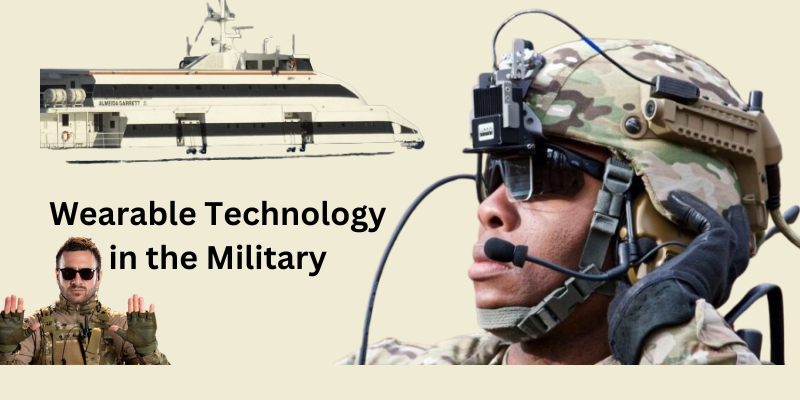
Wearable technology in military is revolutionizing how soldiers operate on the battlefield. Did you know that modern militaries use military wearables like smart helmets, body sensors, and augmented reality glasses to enhance performance and safety? These smart tools help soldiers stay safe, connected, and ready for any challenge.
Wearable tech makes soldiers stronger, safer, and better prepared. It helps them stay healthy, share information quickly, and work as a team. Military wearables improve how soldiers do their jobs and keep them ready for tough situations.
Applications in the Military
Wearable technology is helping soldiers by improving communication, tracking health, and ensuring safety during military operations. It highlights the increasing use of wearables in different military branches. Here is a little detail given below:
Enhanced Communication
“Enhanced Communication” refers to the use of military wearable technology to improve how soldiers share information during missions, ensuring they stay connected and informed. NATO forces use smart helmets for real-time updates.
- Military wearable technology improves communication between units.
- Military wearables provide real-time updates to soldiers.
- Enhanced communication reduces the risk of misunderstandings.
- Wearable devices ensure faster decision-making during operations.
Health Monitoring
It explains how military wearable sensors track soldier vitals, like heart rate and hydration, to monitor their health during missions. Wearable sensors track soldier health, just like fitness trackers we use daily.
- Military wearable sensors track vital signs.
- Wearables monitor heart rate and hydration levels.
- Sensors help ensure soldiers’ health during operations.
- Health data is used to improve soldier performance and safety.
Improved Safety
Military wearable technology, like smart bulletproof vests and exoskeletons, improves soldier safety and helps manage heavy loads during missions.
- Smart bulletproof vests enhance protection.
- Exoskeletons assist with carrying heavy loads.
- Wearables improve overall soldier safety during operations.
Benefits of Wearable Technology in Military
Increased efficiency and coordination
Increased efficiency and coordination refers to how military wearable technology helps soldiers work together better and perform tasks more quickly and effectively during missions.
- Wearables help soldiers coordinate in real time.
- Technology improves task efficiency during operations.
- Wearables streamline communication between units.
Real-time decision-making capabilities
Military wearable technology provides immediate data, helping soldiers and commanders make quick decisions during missions.
- Wearables provide instant data for quick decisions.
- Soldiers can respond faster to changing situations.
- Commanders get real-time updates to guide actions.
Better protection for soldiers in dangerous zones
Military technology that we use every day, like smart armor and sensors, enhances soldier safety in high-risk areas during missions.
- Wearables offer advanced protection in combat zones.
- Smart armor shields soldiers from potential threats.
- Sensors detect hazards and enhance situational awareness.
| Challenges and Concerns |
|---|
|
Future Trends in Military Wearables
The military wearable sensors market is growing quickly as countries use new technology to keep soldiers safe and help them do their jobs better. These sensors track important health signs, like heart rate and hydration, to make sure soldiers are in good shape during missions.
They also help soldiers talk to each other and get important updates in real time. This allows for better communication and quick decision-making on the battlefield.
The military wearables market includes smart armor, exoskeletons, and robots. These devices protect soldiers, help them carry heavy loads, and support their decisions. As the military sensors market grows, new materials, artificial intelligence, and lighter designs will make these devices even better.
How Specific Militaries Use Wearable Tech
Case studies:
How specific militaries use wearable tech (e.g., U.S. Army, NATO forces).
U.S. Army
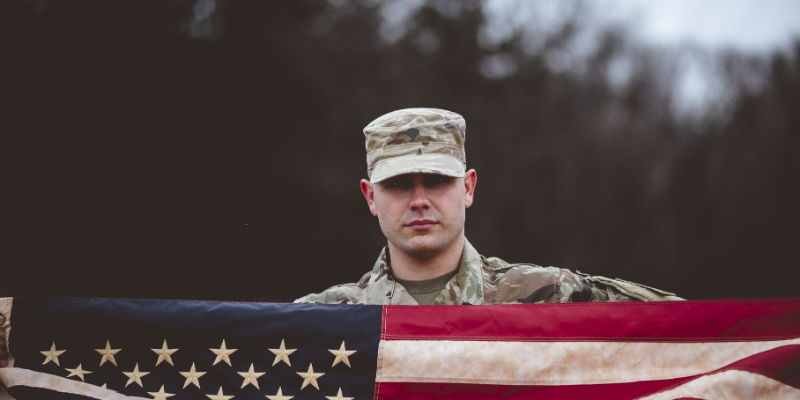
The U.S. Army has adopted wearable technology to improve soldier safety and effectiveness on the battlefield. For example, the Army uses the Tactical Assault Kit (TAK), which integrates wearable devices for real-time data sharing. Soldiers wear sensors that track vital signs like heart rate and body temperature, ensuring they stay healthy during missions. This data is shared with command units, allowing for better decision-making and faster response times.
NATO Forces
NATO forces have integrated wearable technology to enhance communication and situational awareness. Wearable devices like smart helmets provide soldiers with real-time intelligence, GPS navigation, and augmented reality (AR) displays. These devices help soldiers navigate complex environments and communicate more effectively with their teams. NATO’s focus on lightweight and durable wearables ensures that soldiers can perform at their best in various challenging environments.
U.K. Ministry of Defense
The U.K. Ministry of Defense has explored the use of exoskeletons to assist soldiers in carrying heavy loads. These wearable devices help reduce physical strain and improve endurance during extended missions. The integration of these devices supports soldiers in carrying heavy equipment, which reduces fatigue and enhances overall performance. Additionally, the U.K. uses wearable sensors to monitor soldier health during long missions, ensuring that any health risks are detected early.
French Armed Forces
The French Armed Forces have invested in smart clothing that monitors soldiers’ physiological data in real time. Sensors in the uniforms track movement, heart rate, and hydration levels, providing critical health information to commanders. This system helps prevent injuries and ensures that soldiers remain in peak physical condition during operations.
FAQs
Wearable tech helps soldiers train by tracking their physical performance and providing real-time feedback. Devices like smart bands or VR headsets monitor heart rate, movement, and stress levels, simulating realistic combat scenarios. This improves fitness, reaction times, and decision-making skills during training.
Military technology that we use every day includes GPS for navigation and the internet, which began as military projects. Drones, first made for defense, are now used for photos and deliveries.
The military wearable market focuses on devices that track soldiers’ health, location, and performance during missions. These military wearable sensors help improve safety, efficiency, and training. The military wearable market is growing as more advanced technology is used to support soldiers in the field.
A military wearable sleeping bag is designed for soldiers to stay warm and comfortable in harsh conditions while allowing easy movement.
- Lightweight and portable
- Provides warmth in cold environments
- Allows for easy movement
Cybersecurity is vital in wearable tech design to protect personal information from hackers and prevent misuse. It ensures that data collected by the device, like health and location details, stays private and secure. Without proper security, users could face risks like identity theft or data breaches.
Conclusion
So guys, in this article, we’ve covered Wearable Technology In Military in detail. As technology continues to evolve, these wearables will play an even bigger role in improving soldier safety and performance. I recommend that military organizations keep exploring and investing in these technologies to stay ahead. Don’t miss out on how wearable tech can revolutionize operations—stay informed and start implementing it today!

- Be Respectful
- Stay Relevant
- Stay Positive
- True Feedback
- Encourage Discussion
- Avoid Spamming
- No Fake News
- Don't Copy-Paste
- No Personal Attacks
- Be Respectful
- Stay Relevant
- Stay Positive
- True Feedback
- Encourage Discussion
- Avoid Spamming
- No Fake News
- Don't Copy-Paste
- No Personal Attacks
